
Cong Tu Bac Lieu House (Prince of Bac Lieu House)
Cong Tu Bac Lieu House (Prince of Bac Lieu House)
Address: 13 Dien Bien Phu Street, Ward 3, Bac Lieu City, Ca Mau Province, Vietnam
Introduce
1. General Information
Name: Cong Tu Bac Lieu House (also known as the Grand House)
Address: 13 Dien Bien Phu Street, Ward 3, Bac Lieu City, Bac Lieu Province, Vietnam
Opening hours: 7:00 AM – 6:00 PM daily
Entrance fee:
-
Adults: 45,000 VND/person
-
Children: 20,000 VND/person
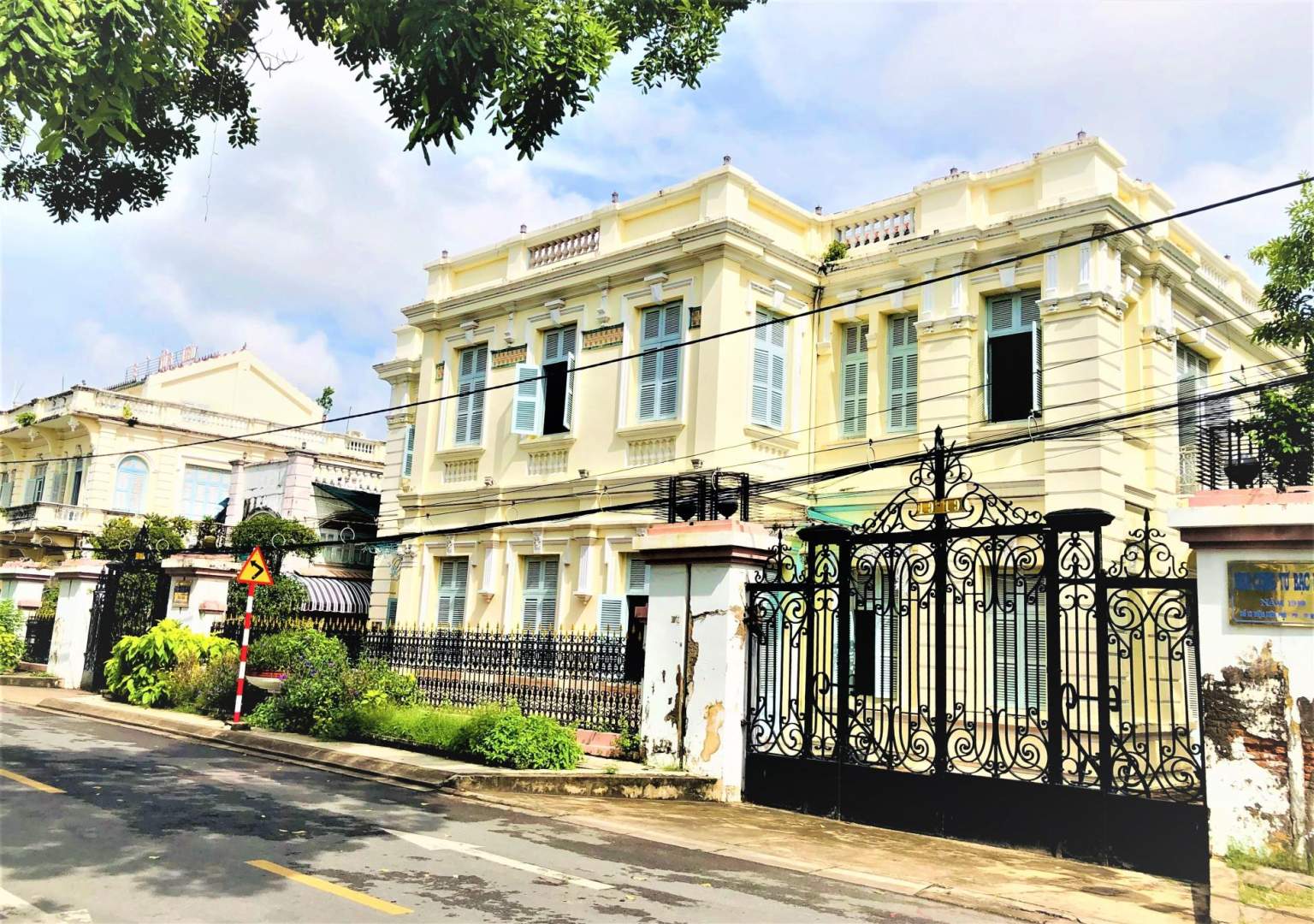
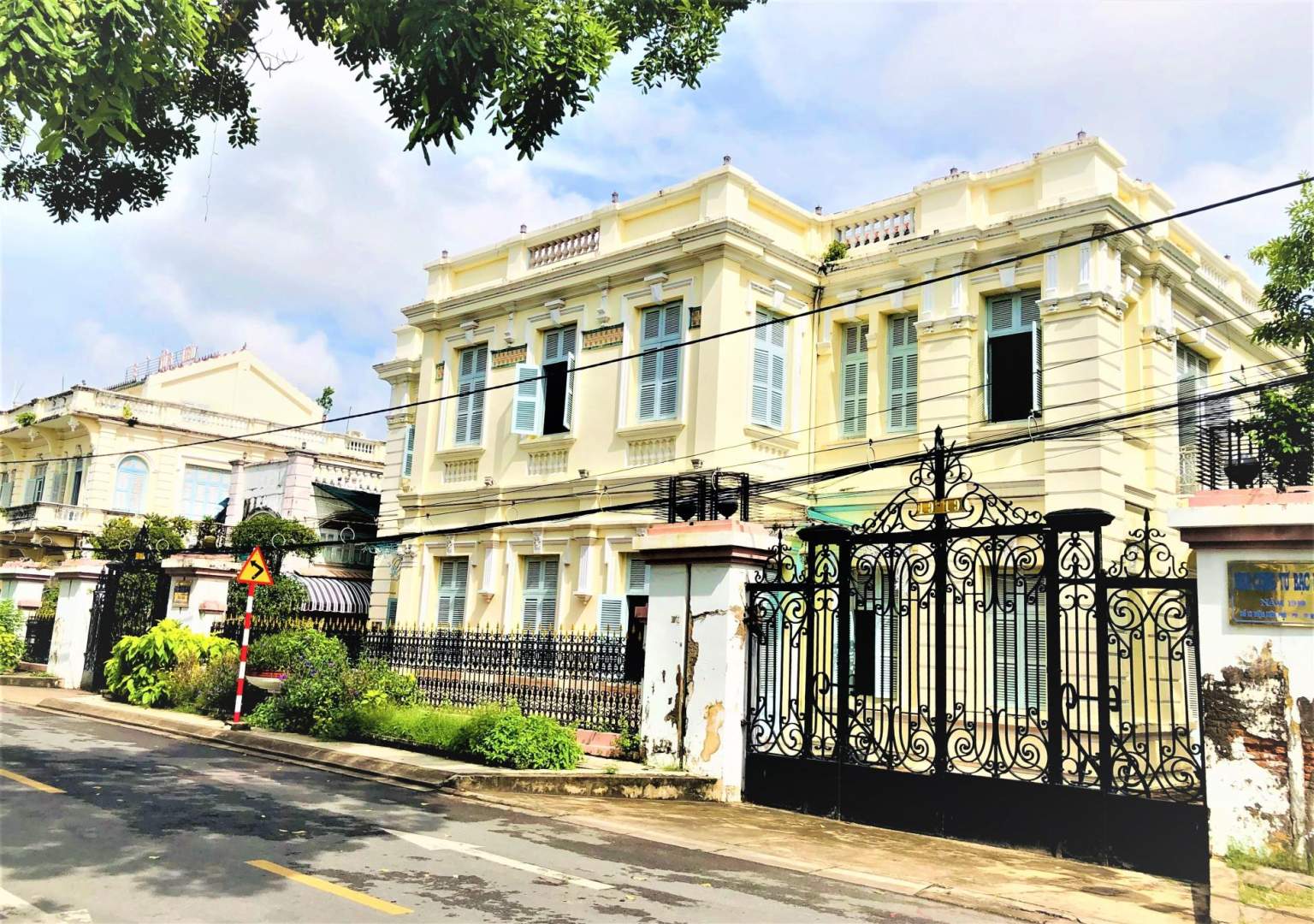
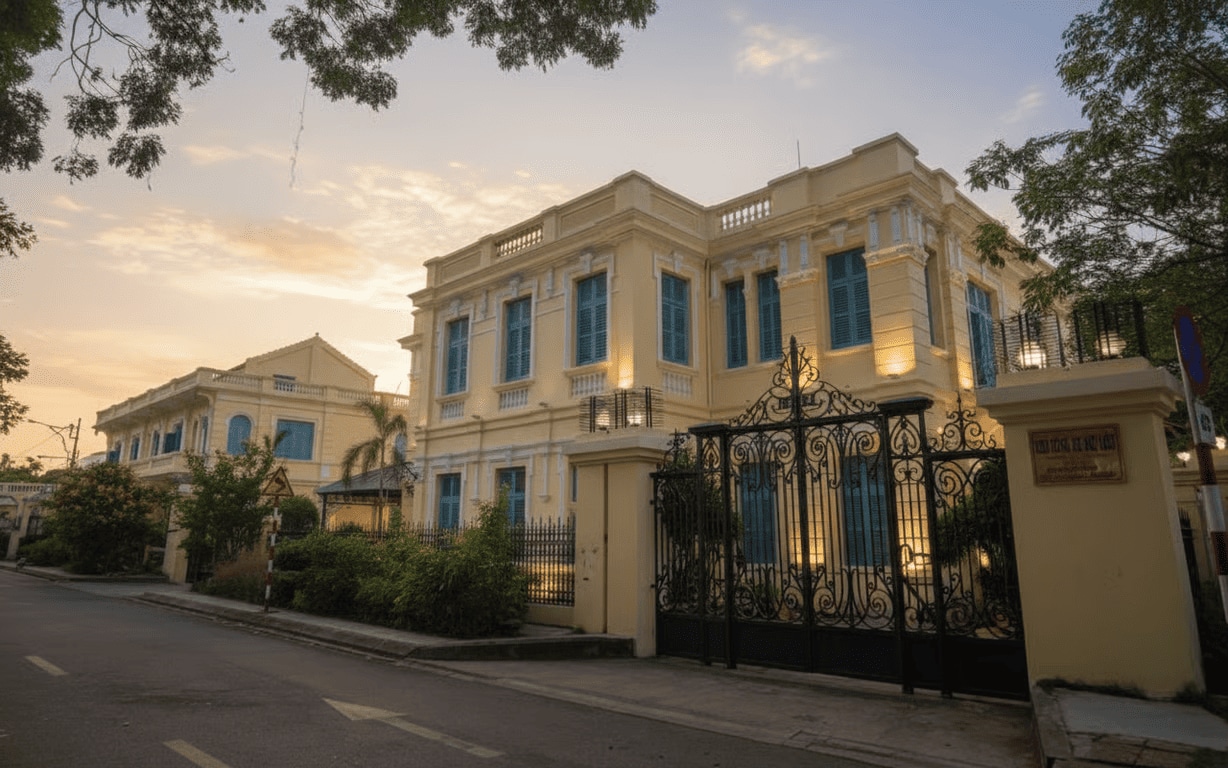
Cong Tu Bac Lieu House is one of the most iconic cultural tourism landmarks in Bac Lieu. The mansion was built in 1919 in a classic French architectural style and was once the residence of Tran Trinh Huy, a man renowned for being one of the wealthiest and most extravagant figures in southern Vietnam in the early 20th century. Today, the house has become a popular tourist destination, attracting visitors who wish to explore the luxurious lifestyle of the former southern elite, while admiring the elegant interior spaces and valuable artifacts that have been preserved almost intact. It is currently one of the most visited tourist attractions in Bac Lieu.
2. History of the House and the Real Person Behind the Legend
Cong Tu Bac Lieu – Tran Trinh Huy (1900–1974), affectionately known as “Ba Huy,” was the third son of Tran Trinh Trac, a prominent landowner and one of the wealthiest individuals in southern Vietnam in the early 20th century. Tran Trinh Trac owned up to 74 plantations, covering more than 110,000 hectares of rice fields and 100,000 hectares of salt fields, making him one of the most powerful economic figures of his time. He had seven children (four sons and three daughters), among whom Tran Trinh Huy was the most well-known.
After studying in France, Ba Huy returned to Vietnam and quickly gained attention for his unprecedented lavish lifestyle. He became the first Vietnamese person to own a private airplane, which he famously used to fertilize rice fields—an act that symbolized both boldness and extraordinary wealth. His name is associated with many legendary stories, the most famous being the tale of “burning money to boil eggs,” a contest of extravagance between him and Bach Cong Tu, another famous tycoon from My Tho.
The mansion associated with Cong Tu Bac Lieu was built in 1919 and designed by a French architect. All major construction materials such as steel, marble, ceramic tiles, furniture, and interior decorations were imported from Europe. The house strongly reflects French architectural style, featuring durability and meticulous craftsmanship, and it has retained its original beauty to this day. It is not only a symbol of the wealth of the southern bourgeois class but also a vivid cultural heritage site that reflects a unique period in the history of the Mekong Delta.
3. Unique Architecture with Strong French Influence
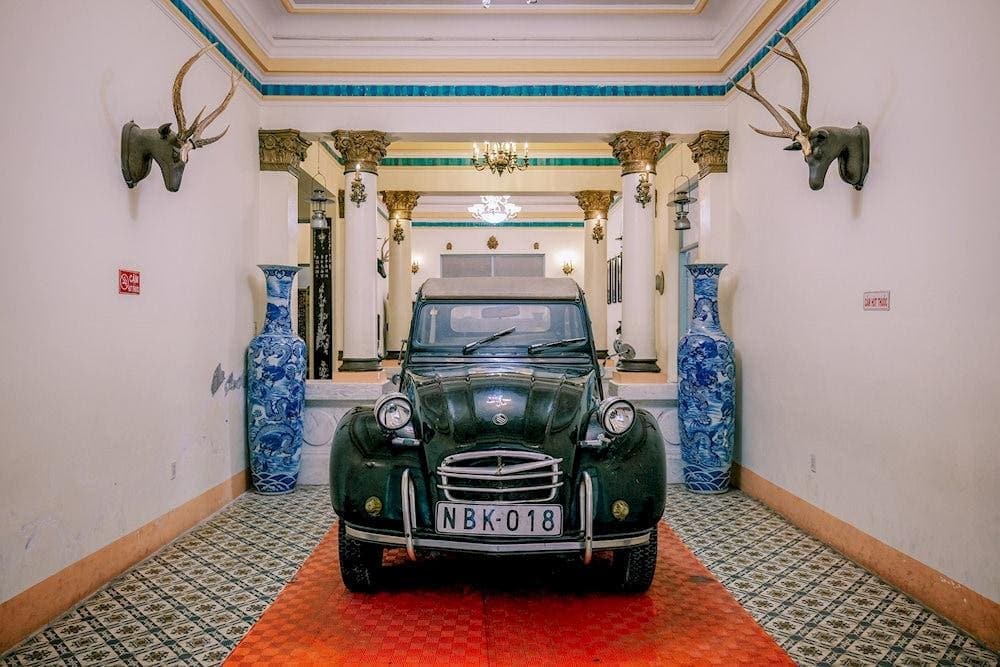
The house consists of two floors and a rooftop terrace, designed with a symmetrical layout and constructed using high-quality materials imported from France, including floor tiles, staircases, door frames, chandeliers, and especially decorative wrought-iron railings.
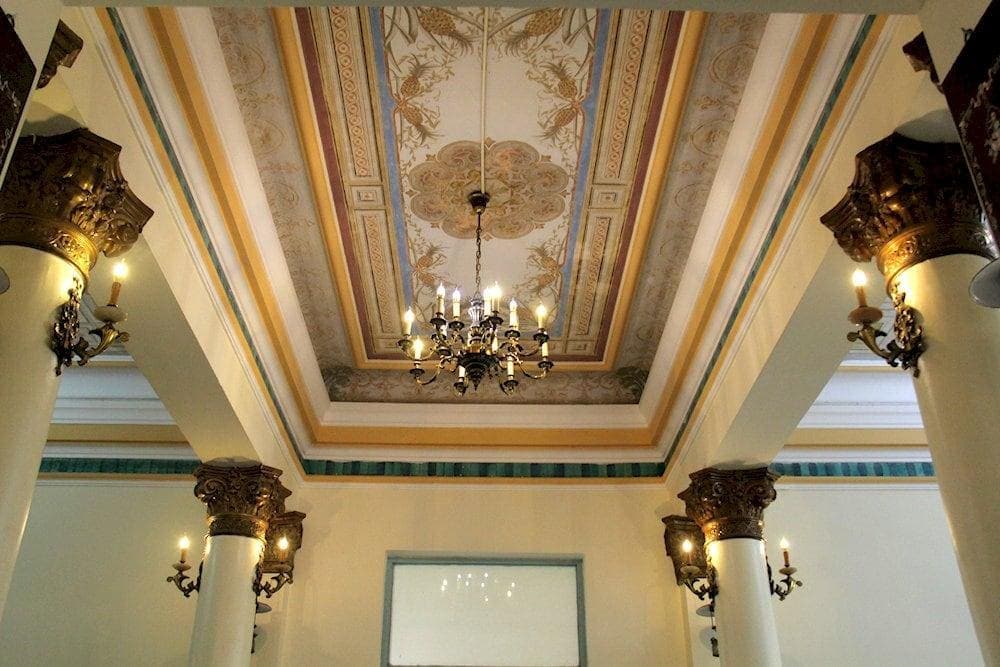
The ground floor includes two bedrooms, a central living room, and two large halls on either side, which were used for receiving guests and hosting banquets. The ceilings are high and airy, and large interconnected doors create an open, well-ventilated space that suits the tropical climate of southern Vietnam.
The upper floor also features two bedrooms, decorated in European style with patterned tile floors, plaster ceilings, and finely carved wooden furniture. The two large halls on this level served as shared family living and relaxation areas. Notably, each bedroom has a balcony facing either the garden or the street, providing a sense of openness and elegance.
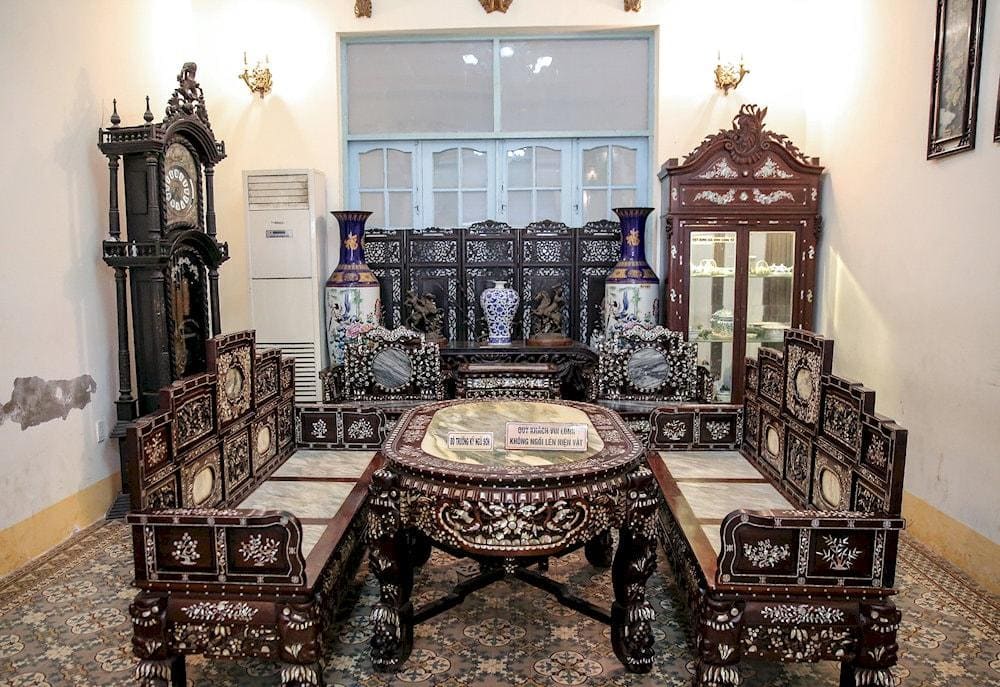
Every architectural detail—from stair bases and handrails to arched doorways and decorative reliefs—demonstrates high craftsmanship and colonial-era aesthetics, harmoniously blending European design with local climatic conditions to create a structure that is both luxurious and functionally practical.
4. Highlights of the Visitor Experience
4.1. Listening to the Famous “Burning Money to Boil Eggs” Story
One of the most memorable experiences when visiting Cong Tu Bac Lieu House is hearing the legendary story of “burning money to boil eggs,” a symbol of the extravagant lifestyle of the southern elite. The story revolves around a lavish competition between Tran Trinh Huy and Bach Cong Tu to win the affection of Tran Ngoc Tra, regarded as the most beautiful woman in old Saigon, during which both men burned money merely to boil a few eggs. Although there are various versions of this tale, it has been widely passed down and even incorporated into folk songs as a vivid illustration of the wealth and extravagance of southern tycoons during the French colonial period.
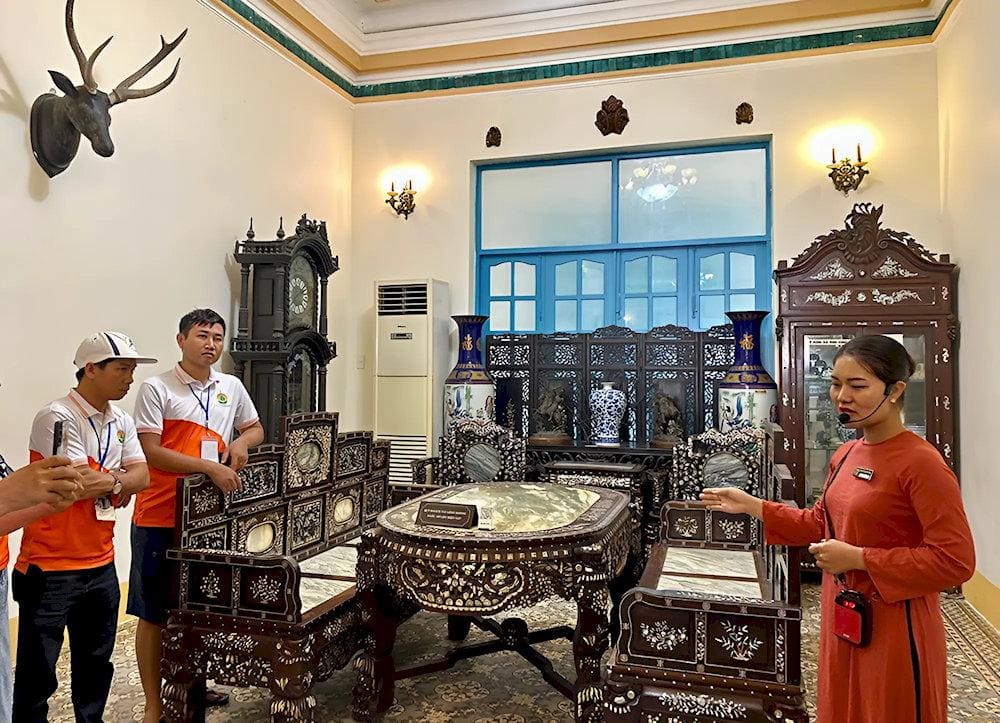
Through the rustic, humorous, and engaging storytelling of local tour guides, such anecdotes not only deepen visitors’ understanding of Cong Tu Bac Lieu but also vividly recreate the social life of the Mekong Delta in the past, making the journey more lively and memorable.
4.2. Viewing Valuable Artifacts: Antique Clocks, Gramophones, Furniture, and Family Photos
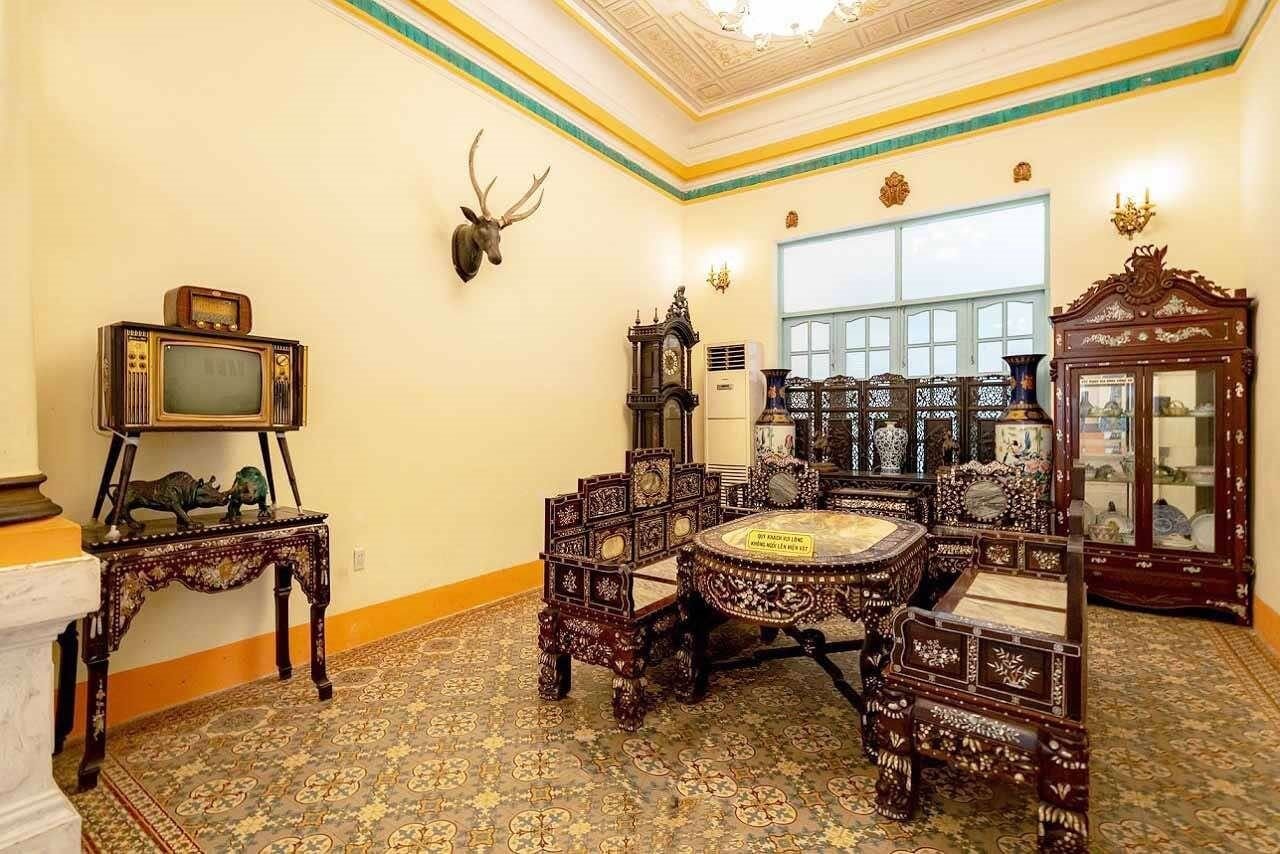
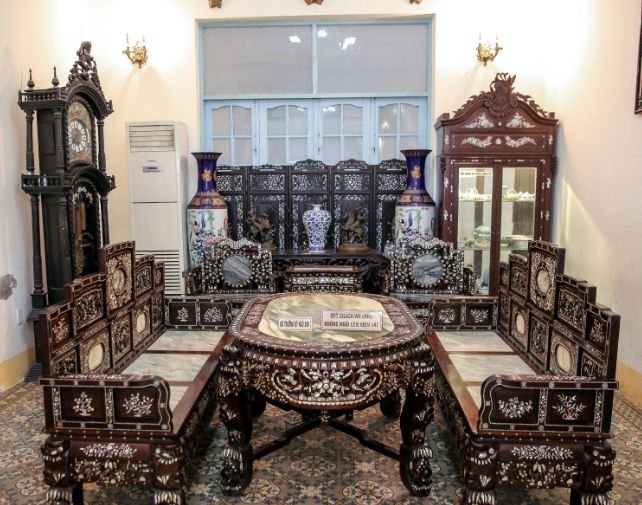
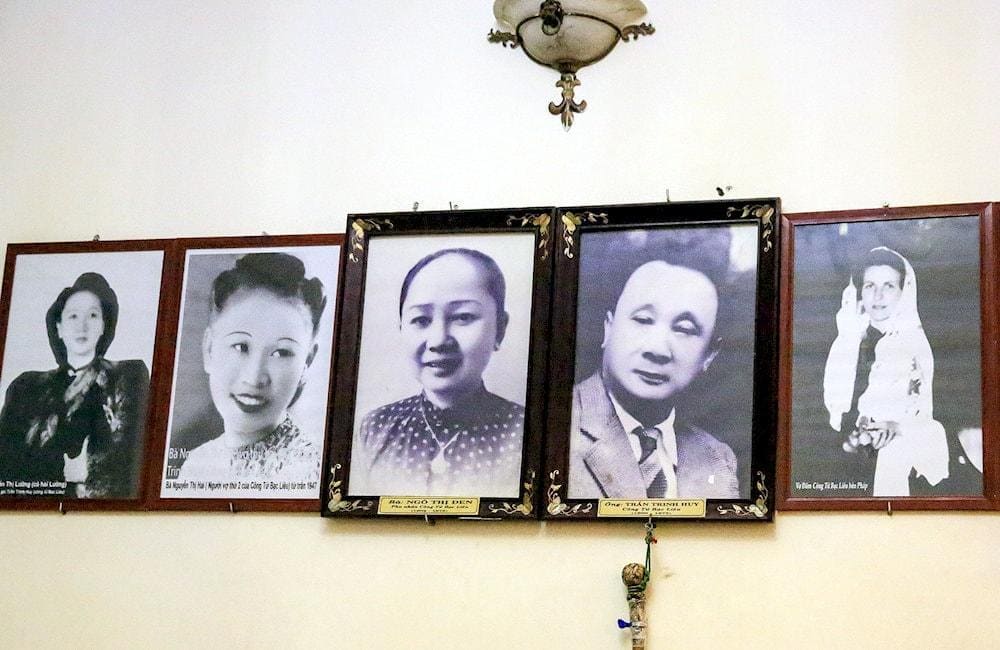
The house still preserves many original belongings of the Tran family. Visitors can admire valuable items such as 19th-century wall clocks, European-imported gramophones, elaborately carved wooden furniture, family photographs, and historical documents. Each artifact holds not only material value but also serves as evidence of a golden era, helping to authentically recreate the luxurious lifestyle of the past.
4.3. Taking Photos in a Nostalgic, Vintage Setting
The classic French architecture combined with elegant interior design makes the house an ideal destination for photography. Visitors can easily find cinematic photo spots—from the curved wooden staircase and decorative iron balconies to the soft golden light filtering through French-style windows. This is a major attraction for those who love vintage spaces and wish to capture timeless photos rich in historical atmosphere.

Feedback on service quality at this location
Vị trí